
Imagine getting hit with an IRS audit. You scramble for receipts from last year, but they’ve vanished. Suddenly, you’re on the hook for thousands in extra taxes and penalties.
Keeping records for taxes fixes that nightmare. They prove your income, back up expenses, and let you claim every deduction you deserve. The IRS says hold most records for three years from filing; go longer for big income gaps or self-employment proof, per 2026 rules.
In this post, you’ll see the top benefits, key IRS requirements, must-have documents, audit risks if you skip them, and simple tips to stay safe. Let’s start with why it pays off big.
Unlock Savings by Claiming Every Deduction You Deserve
You work hard all year. Why pay more taxes than needed? Good records help you claim deductions that lower your bill. They prove what you spent on business needs. Plus, they make tax time faster. Self-employed folks save the most this way. Let’s look at how.
Track Expenses That Cut Your Taxes
Start with everyday buys. Keep receipts for office supplies or software. Bank statements show payments for ads or subscriptions. These add up fast.
Categorize them right away. Use folders or apps labeled “home office,” “travel,” or “supplies.” This way, you spot deductions easily. For example, a freelance writer grabs coffee shop receipts. She logs them as client meeting costs. That cuts her taxes by hundreds.
Take home office space. Measure the square footage. Note total home size too. IRS rules demand proof of exclusive business use. Save rent statements, utility bills, and repair receipts. Calculate the business share. The simplified method multiplies $5 by space size, up to 300 feet. It needs less paper. Regular method tracks actual costs. Either way, records back you up.
Mileage works the same. Log date, miles driven, trip purpose, and destination. A realtor drives 10,000 business miles yearly. At the 2026 IRS rate of 72.5 cents per mile, that’s over $7,000 off her taxes. No log? No deduction.
Business supplies shine too. Receipts for computers or printers prove the spend. One graphic designer bought a $1,200 monitor. Her receipt and invoice let her deduct it fully.
Organized files speed up prep. You review spends and see business health at a glance. Revenue grows? Expenses match? Records show it.
Here are common deductions you can prove with simple records:
- Home office costs: Rent, utilities, insurance (business portion only).
- Mileage and travel: Gas receipts, logs, hotel bills.
- Supplies and equipment: Printer ink, laptops, desks.
- Marketing: Website fees, business cards.

Spot Hidden Tax Breaks with Solid Proof
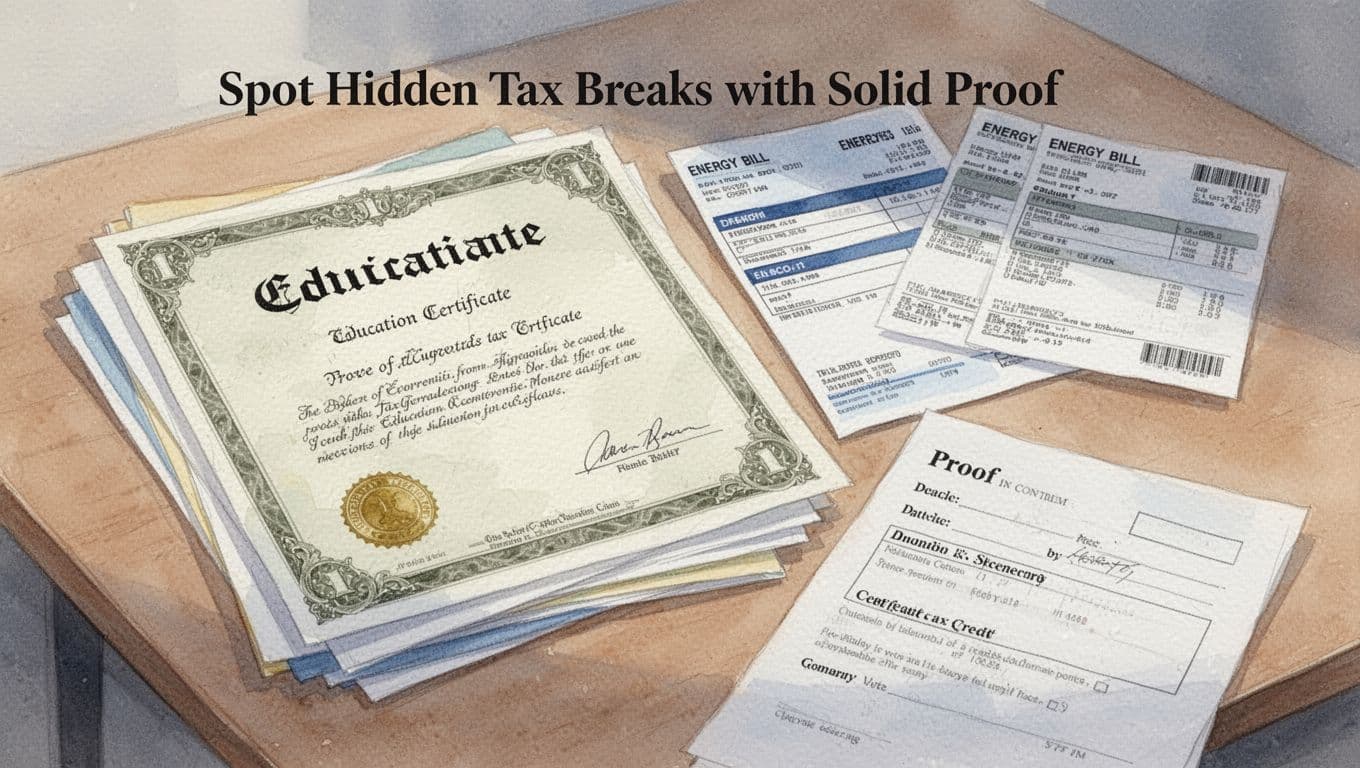
Credits beat deductions. They cut your tax bill dollar for dollar. But IRS wants proof. Records make claims easy.
Education credits fit here. Save tuition receipts, course forms, and enrollment proof. A night class for your job? Those papers qualify you. No hassle at filing time.
Energy efficiency credits reward green upgrades. Receipts for new windows, doors, or insulation count. Keep manufacturer certifications too. Installed solar panels? Bills and install invoices prove it. Check the IRS home energy tax credits page for details.
Records turn “maybe” into “yes.” A teacher upgraded her HVAC. Energy bills before and after, plus receipts, unlocked a $1,200 credit. She filed with confidence.
In short, stack your papers. Photos of installs work if receipts fade. Digital scans last forever. You claim more, pay less. Business thrives as a result.
Know the IRS Rules: How Long to Hang Onto Your Records
You need solid records during an audit. Toss them too soon, and you risk penalties. The IRS sets clear timelines in Publication 583. These rules stay the same through 2026. Most folks keep papers for three years. But some cases demand more time. Know these to stay safe.

Standard 3-Year Rule for Most Filers
Individuals follow a simple rule. Keep records for three years from the date you file your return. The IRS has three years to audit most returns. After that, they usually drop it.
This covers wages, bank statements, and deduction proofs. For example, save 2023 tax receipts until at least April 2027 if you filed on time. Why three years? It matches the statute of limitations. You prove income or expenses if questioned.
Digital copies work fine. Scan papers and store them in folders by year. Apps like Evernote or Google Drive beat dusty boxes. Paper lasts too, but fades over time. Pick what fits your setup.
Longer Periods for Special Situations
Certain cases extend the clock. Underreported income over 25% of gross? Hold records for six years. Say you earned $50,000 but reported $30,000. Keep everything for that return.
Bad debts or worthless stocks trigger seven years. Claimed a loss on a failed investment? Records back it up that long.
Fraud or no filing means keep forever. No limit applies. Employment taxes need four years after due date or payment.
Check this table for quick reference:
| Situation | How Long to Keep Records |
|---|---|
| Most returns (individuals) | 3 years from filing date |
| Underreported income >25% | 6 years from filing date |
| Bad debts/worthless securities | 7 years from claim date |
| Fraud or no return | Indefinitely (forever) |
| Employment taxes | 4 years after due/paid, whichever later |
In short, match your files to your situation. Review returns yearly. Shred only when safe. This setup saves headaches later.
Must-Keep Documents to Stay IRS-Ready
You need the right papers to back up your tax claims. These prove income matches reports and expenses qualify as deductions. Without them, audits turn painful. Business owners and self-employed people rely on them most. Personal filers keep similar basics, but scale matches your needs. Start with digital scans for safety; apps like Shoeboxed or Dropbox store them forever. Shred originals after, but keep copies for three years minimum, per IRS Publication 552.
Proof for Income and Expenses
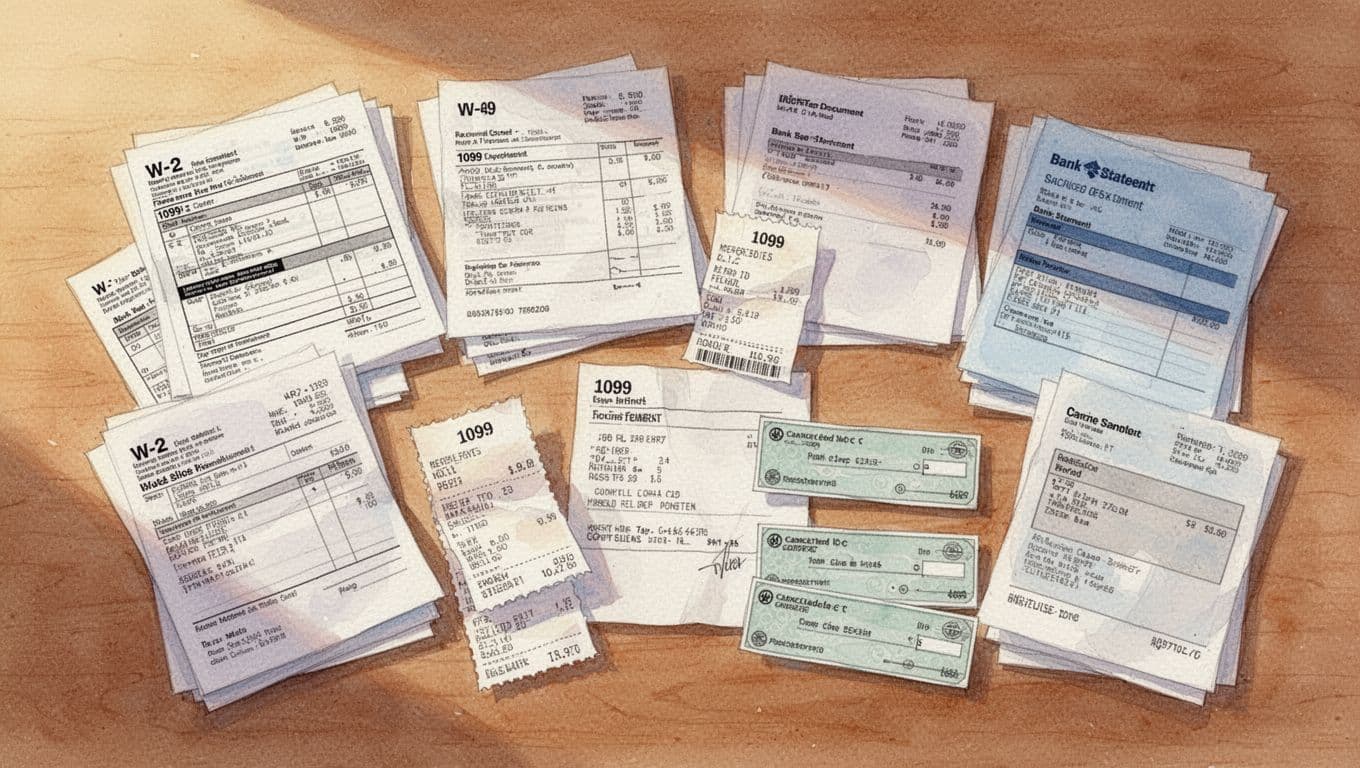
Income records show what you earned. Save W-2s from jobs, 1099s for freelance gigs or investments. Add bank deposit slips, cash register tapes, and invoices. These match your return totals. For example, a consultant grabs 1099-NEC from clients; it lists payments exactly.
Expenses need receipts or invoices for every spend. Canceled checks, credit card statements, and electronic transfer proofs work too. Payroll records cover employee wages if you hire help. Categorize business costs separate from personal ones. Home groceries? Skip them. Office printer ink? Keep the receipt.
Personal taxes use similar proofs, like medical bills or charity donation slips. Business amps it up with mileage logs and ad invoices.
Here is a quick checklist of must-haves:
- Income proofs: W-2s, 1099s, deposit slips, invoices.
- Expense proofs: Receipts, bank statements, canceled checks, mileage logs.
- Payroll: Time sheets, pay stubs, tax forms.
Scan everything weekly. Name files by date and type, like “2025-Expenses-Travel.” This setup finds items fast during prep. One freelancer scanned coffee receipts; they proved $500 in client meetings. She deducted it all, no questions.
Records for Assets and Big Purchases
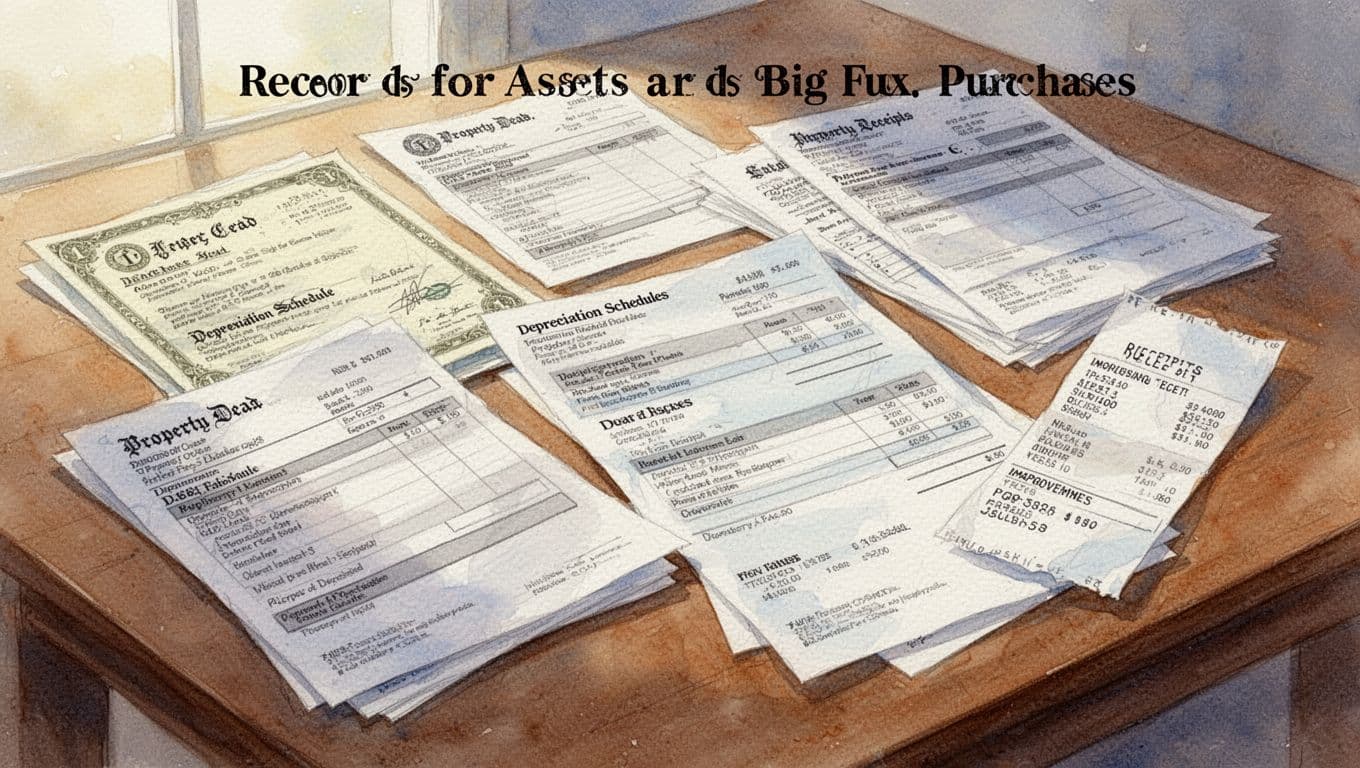
Big buys like equipment or property demand full histories. Track your basis, or original cost adjusted for improvements and depreciation. This sets gain or loss on sales. Save purchase invoices, closing statements, and repair receipts.
Depreciation spreads costs over years. Keep schedules showing annual amounts, methods, and in-service dates. IRS rules in Publication 552 require the full trail from buy to sell. For 2026 bonus depreciation on qualified assets, hold purchase proofs tightly, as outlined in IRS Notice 2026-11.
A landlord buys a rental van for $30,000. She files depreciation yearly and adds tire receipts. Later sale uses that basis to cut taxes on profit.
Use this list for asset keepers:
- Purchase contracts or deeds.
- Improvement invoices.
- Annual depreciation forms.
- Sale documents.
Store digitally with timestamps. Assets need records until three years after sale. So, plan ahead. Your proof turns audits into non-events.
The Price You Pay for Poor Record-Keeping
Poor records cost you big during tax time. You lose deductions. Auditors disallow claims without proof. Then penalties pile on, plus interest. Self-employed folks face this most because they claim more breaks. In contrast, organized filers breeze through audits. They prove every expense and pay less overall. So why risk it? Start tracking now to dodge these hits.
Facing an Audit Without Backup
Audits scare most people. Yours starts with a mailed IRS notice. It lists issues like big deductions or unreported income. You have a deadline to reply.
Next, gather proof. No receipts? Auditors disallow those claims right away. They might check bank records or call vendors. Still short? Courts use the Cohan rule. You estimate expenses, but IRS slashes them often by half or more. For example, no mileage log means zero car deduction.
Send your response. Auditor reviews it and issues a report. Agree and pay up. Disagree? Appeal in 30 days. Ignore it? IRS assumes you owe everything, adds fees, and maybe liens your assets.
Records change this. You show receipts, logs, statements. Most audits end fast in your favor. Stats show individual audit rates stay low at 0.2% to 0.4% yearly. Yet without backup, you pay back taxes plus interest. See what happens without receipts during an IRS audit for real cases.

Organized filers win because proof speaks loudest.
Penalties and Extra Costs That Add Up Fast
Penalties hit hard without records. First, failure-to-file charges 5% of unpaid tax per month, up to 25%. File late even without payment? It beats not filing at all.
Failure-to-pay adds 0.5% monthly, max 25%, plus daily interest. Negligence or no backup triggers the accuracy-related penalty at 20% of underpayment. IRS calls this carelessness, like missing receipts for big claims.
State taxes pile on too. Many match federal penalties. A $5,000 underpayment? Expect $1,000 extra from the 20% hit alone. Fraud jumps it to 75%, but poor records often land you at negligence.
Check the IRS page on accuracy-related penalties for details. These stack quick. One missed deduction snowballs into thousands.
Yet organized people avoid this trap. They file on time with proof. You can too. Grab a folder today. Snap photos of receipts. Save statements digitally. Your wallet thanks you later.
Conclusion
Solid records save you money through every deduction you claim. They shield you from audit nightmares and hefty penalties too. Most importantly, they match IRS rules on retention, like three years for most filers.
You started with that scary audit scramble. Now you know organized files turn it into a quick win. Self-employed folks and business owners gain the most from this habit.
Set up your system today. Grab apps like QuickBooks or Shoeboxed for easy tracking. Check IRS Publication 552 for full details. You’ll file with confidence and enjoy real peace of mind.